Communication is a matter of coordination, safety, and efficiency in transportation and logistics. Freight facilities and weigh stations — from busy gates to warehouse loading bays — depend on timely voice exchanges to manage the constant movement of vehicles, cargo, and personnel. But in these environments, audio is not always easy to get right.
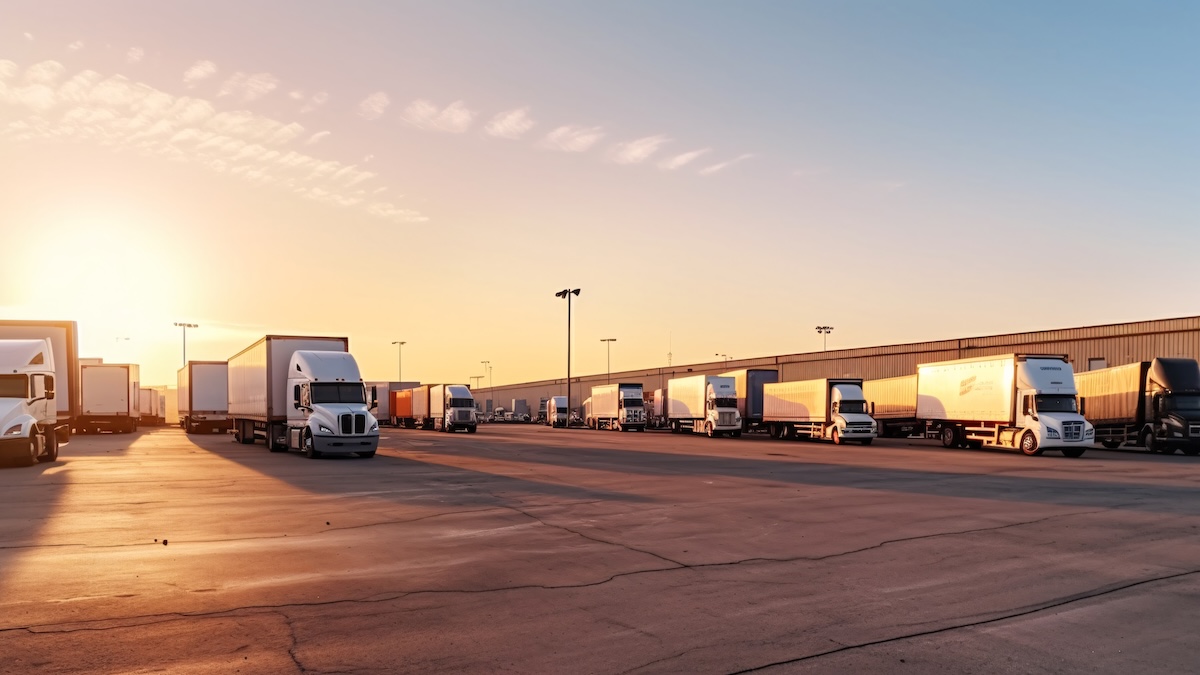
Truck yards and distribution terminals are some of the most acoustically difficult spaces to operate in. Noise from diesel engines, brake systems, backup signals, and outdoor exposure all compete with the human voice. Traditional intercom systems struggle in these conditions, often leaving dispatchers and drivers talking past each other, or not at all.
The Harsh Reality of Industrial Audio Environments
Some spaces are simply hard to hear in. Freight operations routinely deal with engine rumble, compressor hiss, reversing alerts, and constant idling — all of which introduce a dense layer of background noise. In open-air areas like terminals and yards, sound bounces off concrete and metal, creating echo and reverberation. Indoors, loading bays and high-ceiling warehouses amplify every impact, vehicle start, or forklift movement.
When audio clarity breaks down in a warehouse intercom system, the consequences go beyond frustration. A misunderstood instruction at a gate, a misheard bay assignment, or a delayed dock response slows operations and increases risk. The need for reliable voice communication in these settings is practical, immediate, and constant.
Why Traditional Intercoms Fall Short
Conventional analog intercoms are not built for industrial-grade environments. They often lack the audio processing required to cut through interference or the rugged housing needed to survive outdoor or high-vibration conditions.
Many use basic push-to-talk mechanisms that interrupt the natural flow of communication. Microphones frequently pick up as much ambient noise as voice, making messages unintelligible. Equipment degrades quickly under exposure to dust, temperature swings, or vehicle exhaust. These limitations force facilities to work around their systems rather than depend on them.
IP-Based Industrial Intercom Systems Built for the Yard, Dock, and Terminal
Digital Acoustics develops IP intercoms specifically for transportation settings including truck yards, freight terminals, and distribution facilities. The systems are engineered with advanced signal processing — full-duplex communication, noise reduction, and echo cancellation — to maintain clarity even when background noise is heavy.
These intercoms feature directional microphones and purpose-built enclosures that hold up in dust, heat, vibration, and wind. Integration with SIP/VoIP networks ensures seamless connection to dispatch or access control systems, eliminating the need for isolated endpoints or separate infrastructure.
Installations are adaptable to each part of the site. Gate intercoms, pedestal-mounted terminals, roll-up dock doors, and warehouse entry points can all run on the same platform. Communication remains unified across both exterior and interior spaces, with centralized control available to security or dispatch personnel through TalkMaster™ FOCUS.
Smarter Communication for a Demanding Industry
Digital Acoustics solutions are tuned to address the specific noise patterns present in transportation and industrial environments: low-frequency engine hum, brake air releases, and mechanical reverb are filtered through targeted processing. The result is a system that captures human voice accurately whether a driver is speaking from inside a cab or a warehouse manager is paging across multiple zones with a warehouse paging system.
Facilities no longer need to piece together multiple platforms to serve different areas. A single IP-based system handles two-way intercom, public address, and paging — streamlining operations and reducing points of failure. For weigh station and vehicle entry applications specifically, the post on intercom and the weigh station covers those use cases in detail.
To discuss your facility’s communication requirements, visit the manufacturing and warehousing market page or contact the Digital Acoustics team.